Guest post by Tammy James, The AI Griot Studio
Television did not disappear. It moved.
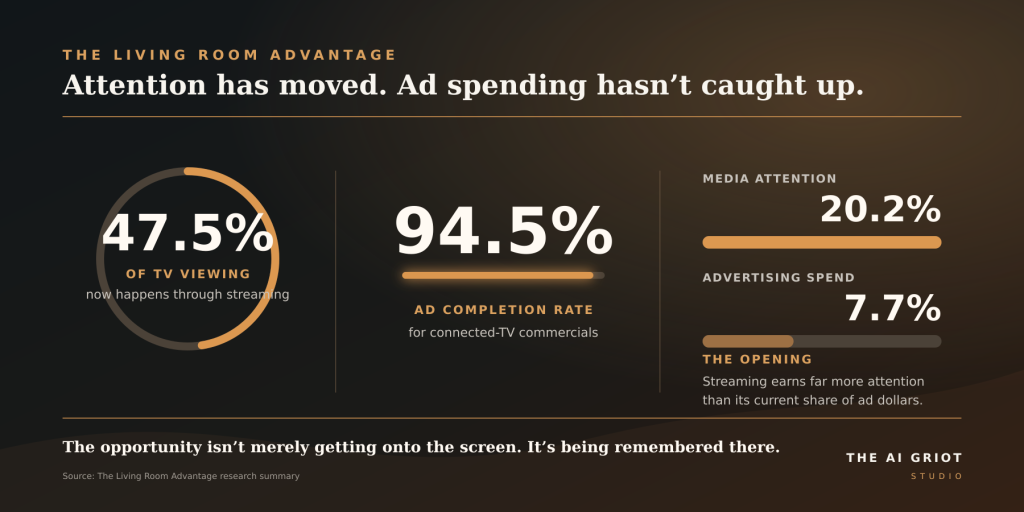
Nearly half of television viewing now happens through streaming, giving pest-control companies the ability to reach potential customers on the largest and most influential screen in the home. What was once largely reserved for national brands is now accessible to regional operators through connected-TV advertising. So why aren’t more home-service providers—including pest-control companies—taking advantage of it?
Today, a pest-control company can place commercials alongside premium streaming programming while targeting only the households it can actually serve. Campaigns can be directed by ZIP code, neighborhood, household characteristics, online behavior and customer intent. Some platforms also allow companies to reconnect with website visitors and measure whether viewers visit their website after seeing an ad.
Even the cost of entry has changed. Self-service streaming campaigns can begin with budgets around $500, allowing regional companies to test campaigns without purchasing traditional television coverage across an entire media market.
That is a significant opportunity—but access to the screen is only half the equation.
Better Targeting Cannot Make Generic Advertising Memorable
Consider the average pest-control advertisement. It usually appears on social media, and it is usually pretty generic.
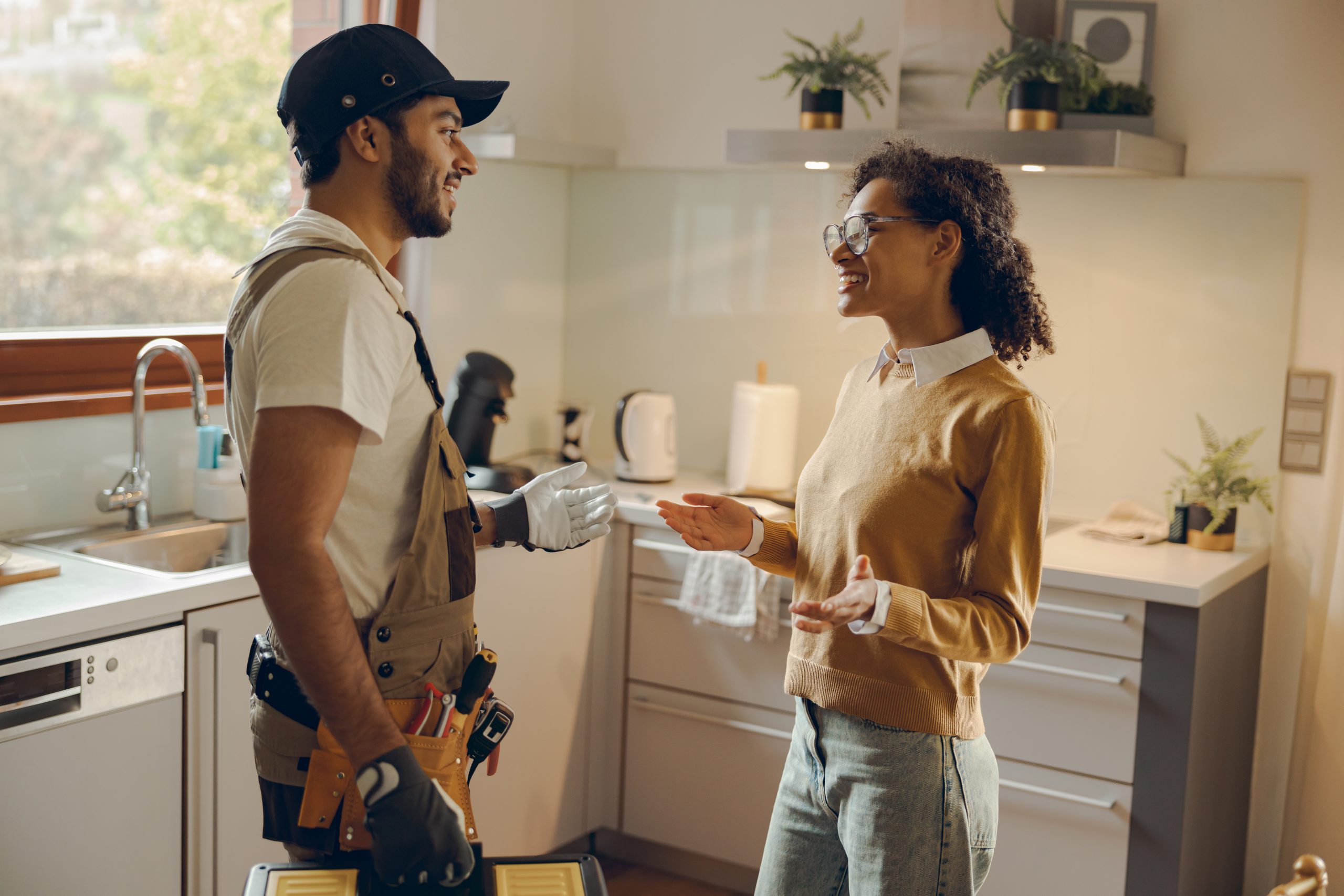
A branded truck arrives. A uniformed technician steps out. Someone inspects the perimeter of a house or stands at the front door holding a clipboard. A smiling family enjoys its newly pest-free home—usually with an equally cheerful technician nearby.
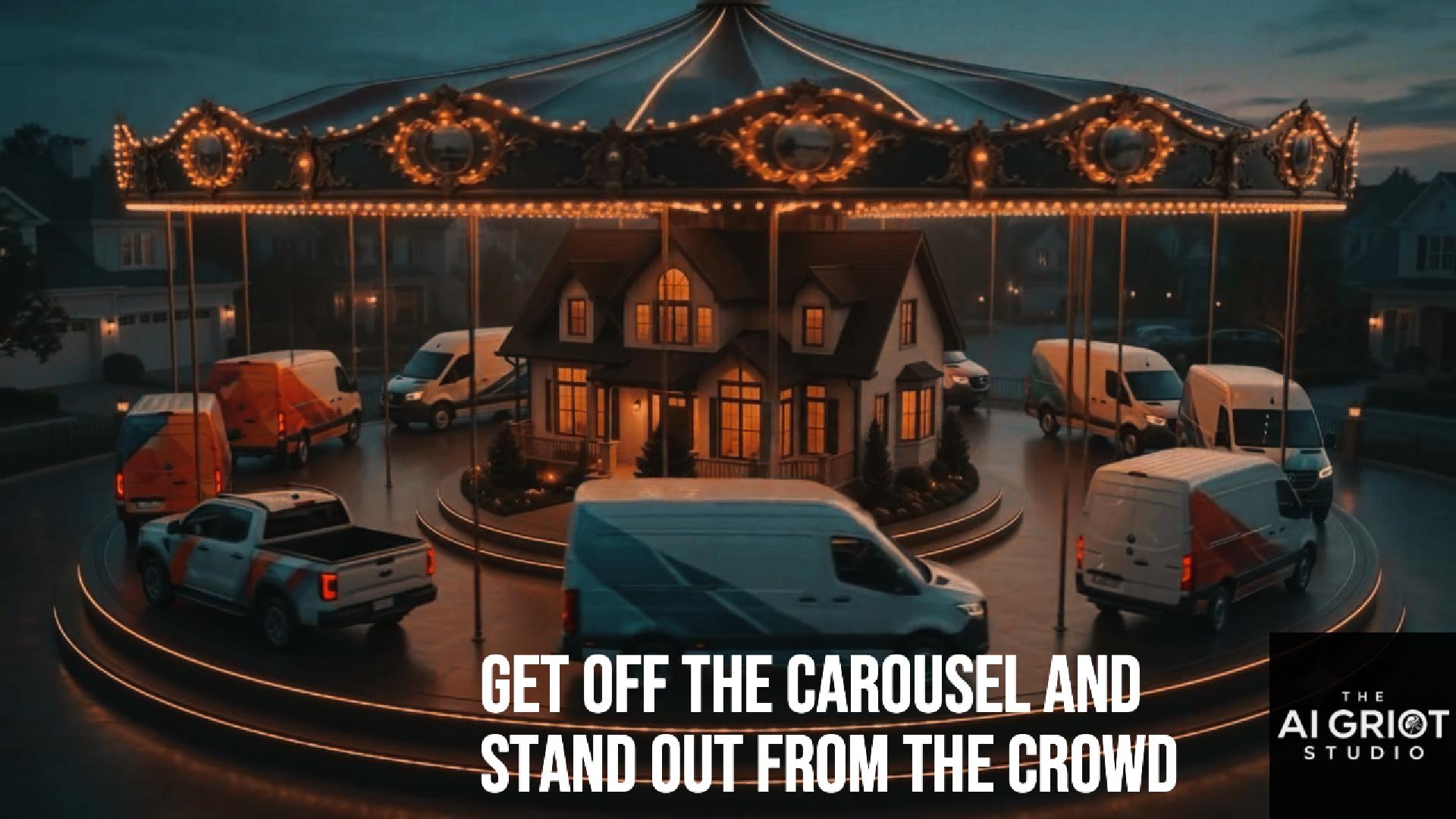
There is nothing inherently wrong with those images. The problem is that nearly every company uses them. You and your competitors are using the same visual strategy. Consequently, everyone is wading through what we call the “sea of sameness.”
When several pest-control brands communicate competence in essentially the same way, customers struggle to remember which company said what. The names and uniforms change, but the advertising experience remains remarkably similar.
Eventually, price becomes the clearest difference customers can see.
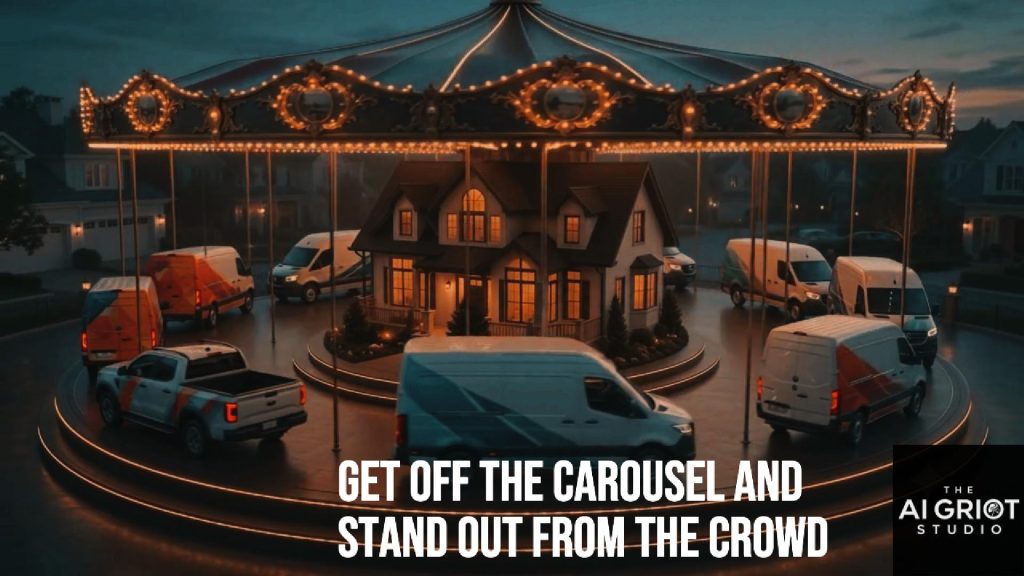
That creates a carousel of sameness: similar trucks, similar technicians, similar promises and similar discounts circling the same homeowner. Every company is moving, but no one is truly getting ahead.
Streaming television gives pest-control companies a more precise way to reach the right households. But if the commercial looks like every other ad in the category, better targeting simply allows more of the right people to see something they may not remember.
The Living Room Is a Branding Opportunity
Connected-TV commercials reportedly achieve completion rates above 90 percent. Unlike a social-media post that can be scrolled past in a fraction of a second, a streaming commercial occupies the television screen, often with the household watching together.
That makes the living room one of the most valuable environments in which a regional brand can appear.
It is where homeowners relax, discuss household decisions and become familiar with the companies serving their communities. Appearing there can make a regional pest-control brand feel established and credible—but memorability still depends on what the company does with that attention.
A media placement can put a commercial in front of the right audience. It cannot make the idea distinctive.
High-quality creative does that.
AI Has Changed What Regional Brands Can Produce
For years, imaginative commercial production often required the budgets and resources of a national advertiser, with ambitious concepts easily reaching tens of thousands of dollars. Regional companies were left choosing between conventional live-action footage, stock video or template-based content that looked much like everyone else’s.
AI-assisted production is changing that—and dramatically expanding what regional brands can put on screen.
When done well, AI can help creative teams build characters, worlds and visual concepts that would have been too expensive or logistically difficult for many regional businesses to produce through traditional methods alone. A pest-control company can become more playful, cinematic or unexpected without pretending to be a national corporation.
The advantage, however, is not simply using AI. AI is a tool for reaching the creative destination more efficiently.
Customers do not care which technology or camera helped produce a commercial. They care whether it captures their attention, communicates clearly and gives them a reason to remember the company behind it.
AI is a production capability—not a substitute for strategy, creative concept development, brand judgment or professional execution. Used carelessly, it can produce content that feels generic, inconsistent or visibly artificial. Used with intention, it can help a regional company express ideas that previously remained out of reach.
The New Competitive Advantage Is Being Remembered
Connected TV is narrowing the distribution gap between regional and national advertisers. AI-assisted production is narrowing part of the creative production gap.
Together, they create a timely opening for pest-control companies.
Regional operators can now reach carefully selected households on premium programming with commercial concepts designed specifically for their brands and markets. They no longer have to advertise to an entire city to reach a few service areas—or automatically settle for the same category imagery their competitors are using.
But this opportunity will not remain novel forever.
As streaming advertising and AI production become more common, simply using them will no longer be differentiating. The companies that benefit most will be those that use these capabilities early, apply them thoughtfully and pair them with high-quality creative ideas—before every competitor arrives with the same tools and another interchangeable commercial.
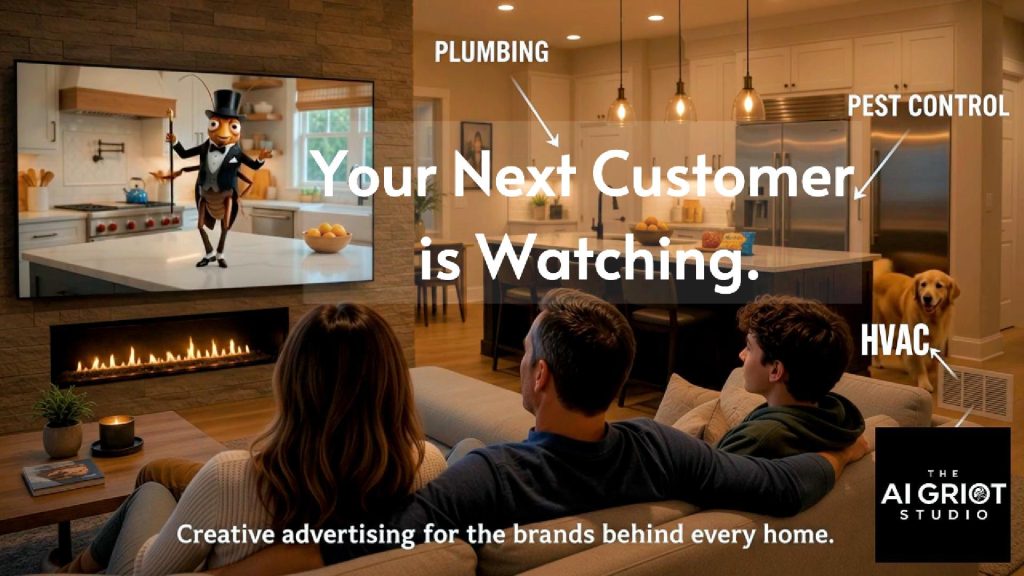
Your next customer may already be watching.
The real question is whether your company will be the one they remember when they need help.
Be the one they remember.
Ready to Get Off the Carousel?
Need distinctive commercial creative produced for your brand?
Explore cinematic, creative advertising created specifically for pest-control and home-service companies.
See What Pest-Control Advertising Can Look Like →
Building AI-video capabilities inside your own marketing team?
Join the TAGS newsletter for practical AI-video guidance and early access to hands-on Iris Fovea Framework workshops designed for business owners and marketing teams. Learn to develop stronger concepts, memorable messaging, and produce more professional creative assets and protect the quality of your brand.
Get AI-Video Guidance and Workshop Updates →
About the Author
Tammy James is the founder and Chief Creative Officer of The AI Griot Studio, a creative company producing distinctive, AI-assisted commercial advertising for the home-service businesses behind every comfortable home. Before founding the studio, she spent more than 30 years working across operations, technology, accounting and customer service—including nearly four years supporting 145 branches at the corporate office of one of the nation’s largest pest-control companies. She is also the creator of the Iris Fovea Framework, a professional training methodology that teaches business owners and marketing teams via live workshops to use AI video with greater creative discipline and produce outstanding branded assets in-house.

 6 MIN READ