Many businesses have, at some point, sent emails that inadvertently landed on the spammy side of the spectrum. The classic scenario: blasting out a generic message to the entire list, hoping that something sticks. This approach rarely inspires engagement and often leads only to ignored messages and unsubscribes.
Merrick Marketing, an agency serving independent auto shops, provides a powerful example of getting this distinction right. Through strategic, data-driven campaigns and targeted messaging, they have achieved 100% client retention—demonstrating email marketing that recipients actually look forward to receiving.
What Makes an Email “Spammy”?
Spam is not limited to offers of foreign inheritances or obvious scams. Even legitimate marketing can quickly cross the line into spam territory when it becomes intrusive, irrelevant, or lazy.
There are three main reasons emails feel like spam:
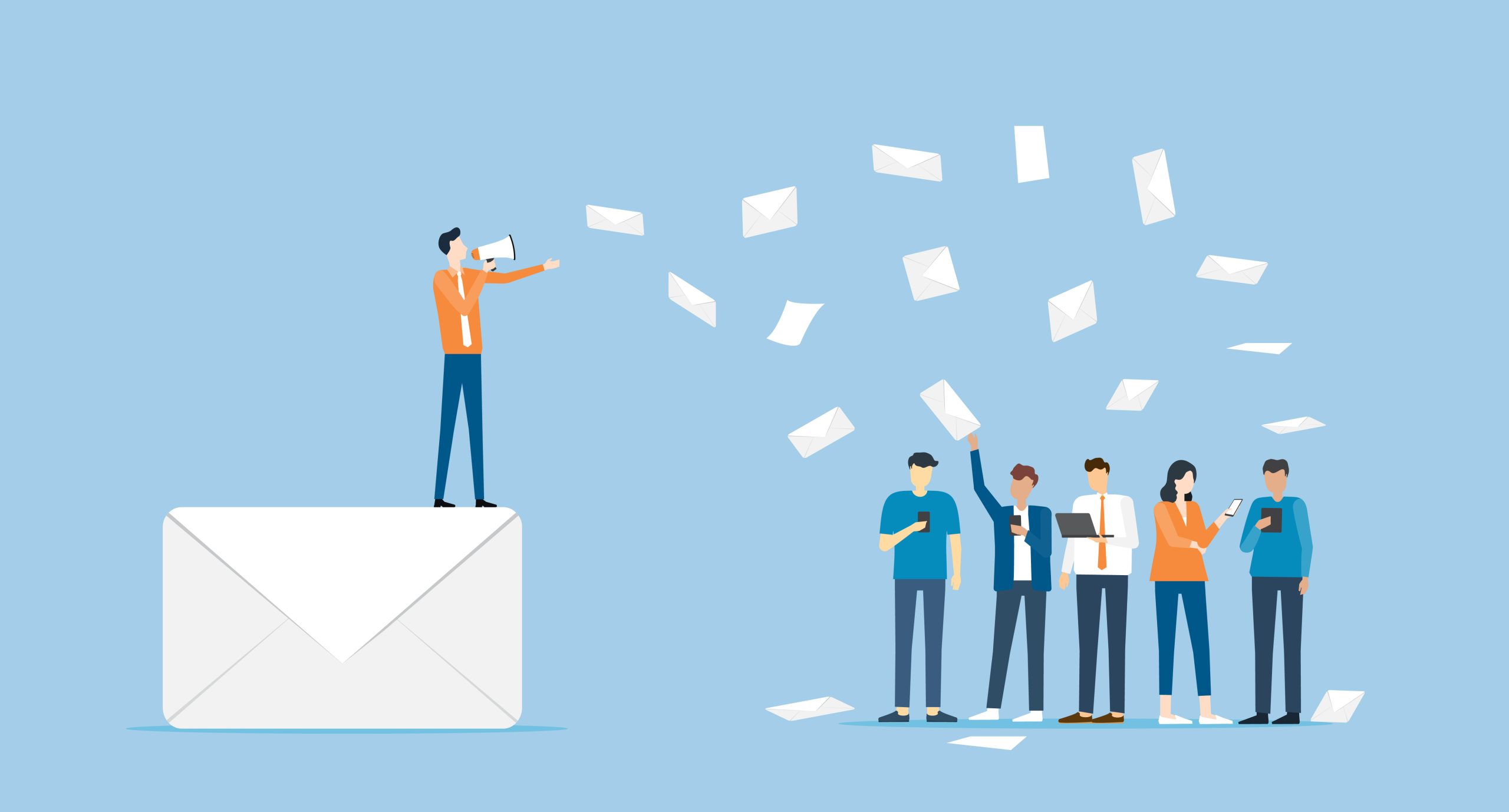 Generic Messaging: Sending the same, boilerplate content to every contact on the list, regardless of purchase history or engagement, feels impersonal and dismissive. It ignores the unique needs and journeys of customers.
- Lack of Relevance: Campaigns that offer products or services unrelated to the recipient’s preferences or past behavior—such as promoting dog food to someone who owns only cats—fail to show any knowledge of the recipient.
- Intrusive Timing and Frequency: Overwhelming recipients with daily emails or poorly timed messages not only fails to build connection but also tends to create annoyance and resentment.
These practices are more than minor missteps; they can erode trust, waste resources, and drive customers away, closing doors to future engagement and revenue.
The Secret Sauce: Value, Personalization, and Timing
The solution lies in treating each email as the start of a conversation rather than another promotional pitch. Effective email marketing hinges on providing value, ensuring personalization, and optimizing timing.
Merrick Marketing leveraged Cinch’s capabilities to build automated, highly tailored campaigns for their auto shop clients. Rather than defaulting to mass emails, they used customer history, behavior, and real vehicle data to craft targeted messages. Each customer became more than a line on a spreadsheet—they became the audience for a relevant, timely, and welcome message.
From Spammy Reminders to Smart Journeys
A classic example is the standard oil change reminder, often sent as a blanket nudge to every customer every three months. Merrick Marketing and Cinch revolutionized this approach with data-driven precision:
- Tracking time since the last service
- Factoring in actual mileage driven
- Considering the type of oil used during the last visit
This means an Uber driver who covers significant distances will receive reminders more quickly than someone who primarily commutes short distances. After a premium synthetic oil change, reminders are spaced further apart than after conventional oil. The result is a touchpoint that is specific, informed, and genuinely helpful—showing attention to the recipient’s unique situation.
Campaigns That Drive Engagement and Revenue
Merrick Marketing pushed beyond service reminders, creating campaigns that tapped into each customer segment’s specific interests and behaviors.
 For performance-focused shops, generic discounts and broad appeals did not connect with the target audience of car enthusiasts. Instead, the agency designed the “Torque Check Journey,” targeting those who had recently purchased new wheels or tires with an offer for a complimentary torque check. This highly relevant service resonated with enthusiasts and led to impressive results: 15% of the 93 recipients returned within 10 days, generating $80,000 in revenue across those visits.
Similarly, the “Tuning Follow-Up Journey” targeted customers with vehicle engine tunes, reminding them after six months to check their ignition systems. This campaign achieved a 33% return rate, and these visits resulted in an average spend of over $1,300 per customer.
Such campaigns illustrate the impact of relevance. By understanding the customer base, segmenting messaging, and timing communication correctly, Merrick Marketing delivered value instead of clutter—turning what could have been ignored into meaningful business outcomes.
Takeaway: Prioritize Relevance Over Frequency
The dividing line between spam and effective email marketing is relevance. Emails sent simply to boost short-term sales, without regard for recipients’ needs or context, often backfire. In contrast, messages that arrive at the right moment with personalized, helpful information build loyalty and trust.
Merrick Marketing’s results demonstrate the value of precision and intentionality: treating email communication as a data-driven conversation, not a numbers game. The rewards are clear—greater engagement, stronger loyalty, and real revenue growth.
Before sending an email campaign, consider: Does this message serve the recipient’s interests, or is it a generic broadcast into the void? The answer directly affects not only open rates and conversions, but also long-term customer relationships—and ultimately, business success.


 4 MIN READ