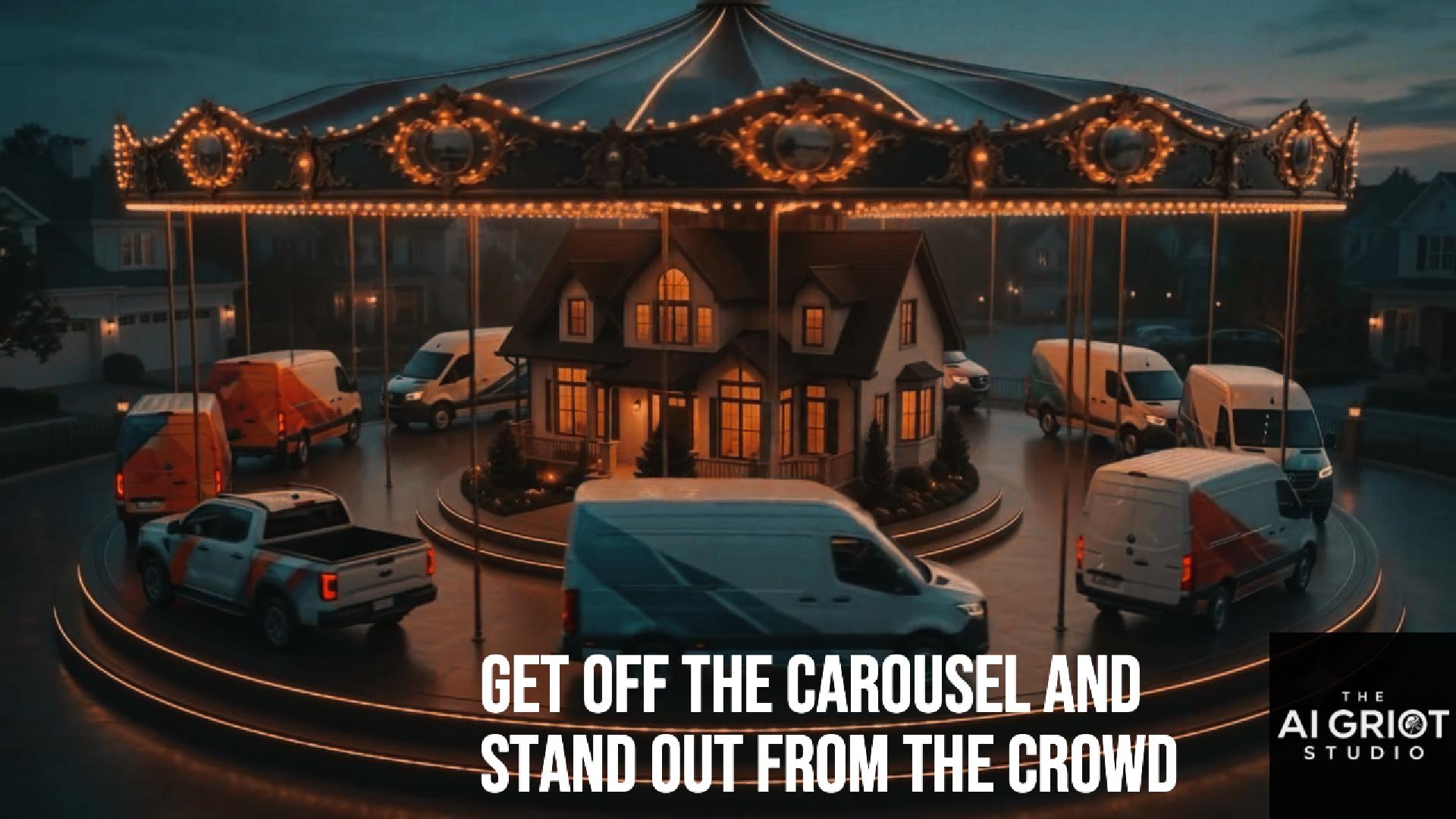
Ever feel like you’re stuck between a rock and a hard place? You want to grow your business, but every time you scale up, something gets lost in translation. Your customers start feeling like just another number, and suddenly that personal touch that built your reputation in the first place? Gone.
In Episode 2 of the Back for More podcast, host Amy LaVange and home services expert Gary Burch tackled this exact dilemma—and let me tell you, they didn’t hold back on the real talk.
If you’re running a service business (think HVAC, pest control, plumbing, or lawn care) and wrestling with how to grow without losing your soul, these five takeaways might just change everything for you.
Takeaway #1: Your Customer Lifecycle Needs Intentional Design—Not Hope and Prayers
Here’s the thing that really got me: Gary pointed out that most businesses focus all their energy on getting new customers, then basically cross their fingers and hope everything works out after that. Sound familiar?
“You can’t focus on one piece and just hope that everything else works,” Gary explained. “A lot of companies will say, ‘Hey, we want to do a really good job of getting this customer.’ They get the customer and then nothing happens after that.”
Amy broke down lifecycle design as being intentional about every touchpoint—from the first Google search to turning someone into a raving fan. It’s not just random promotions when you need more reviews or scattered follow-ups when you remember.
The reality check: If you don’t map out what happens after someone becomes your customer, you’re essentially playing business roulette. And spoiler alert—the house usually wins.
What you can do right now: Grab a piece of paper (or open a document) and write out your current customer journey from first contact to loyal advocate. Where are the gaps? Where do people typically drop off? That’s your roadmap for improvement.
Takeaway #2: Personalization Isn’t About First Names—It’s About Behaviors
OK, let’s be honest. We’ve all gotten those emails that start with “Hey [First Name]!” and immediately rolled our eyes. That’s not personalization—that’s just mail merge with extra steps.
Amy explained it perfectly: “Personalization means that we are actually paying attention to so much more than just whatever might be in the point of sale. We’re paying attention to: how frequently you are transacting, how much you are spending, and whether you come back when we expect you to.”
Gary added this gem: “If you think about the companies that you opt out of text messaging or you unsubscribe from with email, it’s typically those companies that send you messages all the time, but that are completely irrelevant to your interests or buying habits.”
The game-changer: True personalization uses behavior-based triggers. Does this customer always pay their invoices early? Do they typically upgrade services? Do they respond better to texts or emails? That’s the data that matters.
Action step: Start tracking customer behaviors beyond just purchase history. Look at response patterns, service frequency, and communication preferences. Even simple observations can transform your approach.
Takeaway #3: Set Expectations Early—Or Watch Google Reviews Tank
Gary shared a perfect example from pest control: You spray for bugs, and initially, it might actually stir things up and make more bugs visible for the first 24 hours. If customers don’t know this is normal, they’re running to Google faster than you can say “terrible service.”
“If you didn’t set that expectation then that’s what a customer believes,” Gary noted. And honestly? Fair point.
Amy and Gary both emphasized the power of automated welcome sequences that actually educate customers about what to expect during and after service. Some companies even create videos showing exactly what happens during a typical service call.
The missed opportunity: Most businesses send appointment reminders but skip the “here’s what to expect” piece entirely. That’s like giving someone directions to your house but not mentioning the construction zone they’ll hit along the way.
Your next move: Create a simple “what to expect” message series for new customers. It doesn’t have to be fancy—just clear, helpful information that prevents confusion and sets realistic expectations.
Takeaway #4: Your Best Customers Should Be Your Marketing Department
Here’s where things get really interesting. Gary shared how smart pest control companies use their five-star reviews as referral triggers. Customer leaves a great review? Boom—automated message thanking them and asking if they’d like to refer friends and family (with a nice incentive, of course).
“Use your best customers to get more customers just like that,” Gary explained. And Amy added, “Your customer lifecycle marketing becomes your prospect marketing.”
But it goes deeper than just referrals. The 80/20 rule applies here—20% of your customers bring in 80% of your revenue. Are you treating them differently? Are you making sure they know about all your services?
Gary told a story that probably happens daily: “You go out to a home to do just a general pest control service and you see a flag in the lawn that’s Mosquito Joe or Mosquito Squad and you’re like… we offer mosquito service as well, but the average customer thinks they have to call the company that has mosquito in their name.”
The opportunity: Your existing customers don’t know everything you do. Period. And it’s not their job to figure it out—it’s yours to tell them.
Take action: Identify your top 20% of customers and create targeted campaigns showcasing services they haven’t used yet. Make it seasonal, make it relevant, make it impossible to ignore.
Takeaway #5: Scaling Personalization Should Enhance Humanity, Not Replace It
This is where the rubber meets the road. The whole episode was building up to this tension: How do you use automation without sounding like a robot?
Gary’s answer was brilliantly simple: “You don’t want to be that company that says the same thing to every person all the time. You want to say, ‘Hey, this person in this situation is going to get this message based upon how they do certain things.'”
Amy emphasized that it’s about being human and real in your messaging. The language needs to evolve, and what worked 10 years ago definitely isn’t cutting it today.
The secret sauce: Predictive analytics and behavior-based messaging. Instead of trying to talk someone into a sale after the fact, you do the work upfront by reaching the right person at the right time with the right message.
The reality: You can’t personally call every customer forever. But you can create systems that feel personal by using actual data about how people prefer to communicate and what they actually care about.
Start here: Audit your current automated messages. Do they sound like they came from a human who actually knows your customers? If not, it’s time for a rewrite.
The Bottom Line: You Can Scale AND Stay Human
It’s not about choosing between growth and humanity. It’s about being intentional with both. As Gary put it in his rapid-fire finale: “Get started and let’s work smarter, not harder… The companies that I’ve seen grow and be the most successful are those that combine personalization with automation.”
The businesses that figure this out aren’t just surviving—they’re thriving. They’re turning one-time customers into loyal advocates, and they’re doing it at scale without losing what makes them special.
So here’s the question: What’s one thing from this list that you could implement this week? (Not next month, not when you have more time—this week.) Need an action plan? Download the free workflows Gary talks about in the episode!
Because honestly? Your customers are waiting for you to show them you actually know who they are. And in today’s world, that’s not just nice to have—it’s everything.
Ready to dive deeper? Check out the full Episode 2 of Back for More, and if you want to see how tools like Cinch can help you put these strategies into action, visit cinch.io. Trust me, your future self (and your customers) will thank you.

 7 MIN READ